Maybe your shoulders keep creeping up, or your lower back always feels tight...
Posture in Motion is a small-group posture and somatic practice for people who want to feel more at home in their body, move with more ease, and start shifting the patterns that keep them tense, braced, or in pain.
If you’ve tried stretching, strengthening, yoga, pilates, physio, or bodywork, and you still feel like something’s missing...
Maybe your breath feels shallow, your jaw grips, your body braces, or you feel like you’re constantly trying to “fix” your posture without understanding why it keeps returning to the same patterns.
Through posture-focused movement, breathwork, and somatic awareness, you’ll understand how your body holds stress, effort, protection, and old conditioning, then learn how to meet those patterns with more choice.
Posture in Motion is a guided group experience where we work with the relationship between your posture, breath, nervous system, and movement patterns. You will:
Learn how to notice what your body is doing before trying to correct it.
Explore simple, targeted practices that help you build more awareness, mobility, strength, and ease.
Understand your posture as a living response to your life, not a fixed shape you need to force into place.
For thoughtful, sensitive, purpose-led people who feel like their body is holding them back.
You may be dealing with:
Recurring tension in your neck, shoulders, back, hips, or jaw.
A sense of stiffness, collapse, bracing, or disconnection from your body.
Postural habits that feel hard to change.
Shallow breathing or difficulty relaxing.
The feeling that you live mostly in your head.
A pattern of pushing through, overthinking, or trying to get everything “right”.
Frustration from trying different approaches without lasting change.
You don’t need to be flexible, fit, experienced, or “good” at movement.
You just need curiosity, consistency, and a willingness to listen to your body in a different way.
Your posture is not just how you stand, it’s how your body has learned to hold you.
It can reflect stress, survival, protection, identity, culture, confidence, fear, fatigue, and the ways you’ve adapted to get through life.
The way you sit, stand, breathe, grip, collapse, or hold yourself together tells a story.
Your body has been adapting for years, and those adaptations shape how you move now.
That is where meaningful change begins. It gives you a clear, powerful foundation.
By the end, you can expect to:
Understand your posture and movement patterns with more clarity.
Feel more connected to your body.
Notice where you brace, grip, collapse, or disconnect.
Learn practices that support your breath, mobility, and strength.
Build more trust in your body’s signals.
Feel less stuck in the loop of trying to “fix” yourself.
Have a more grounded relationship with your posture and daily movement.
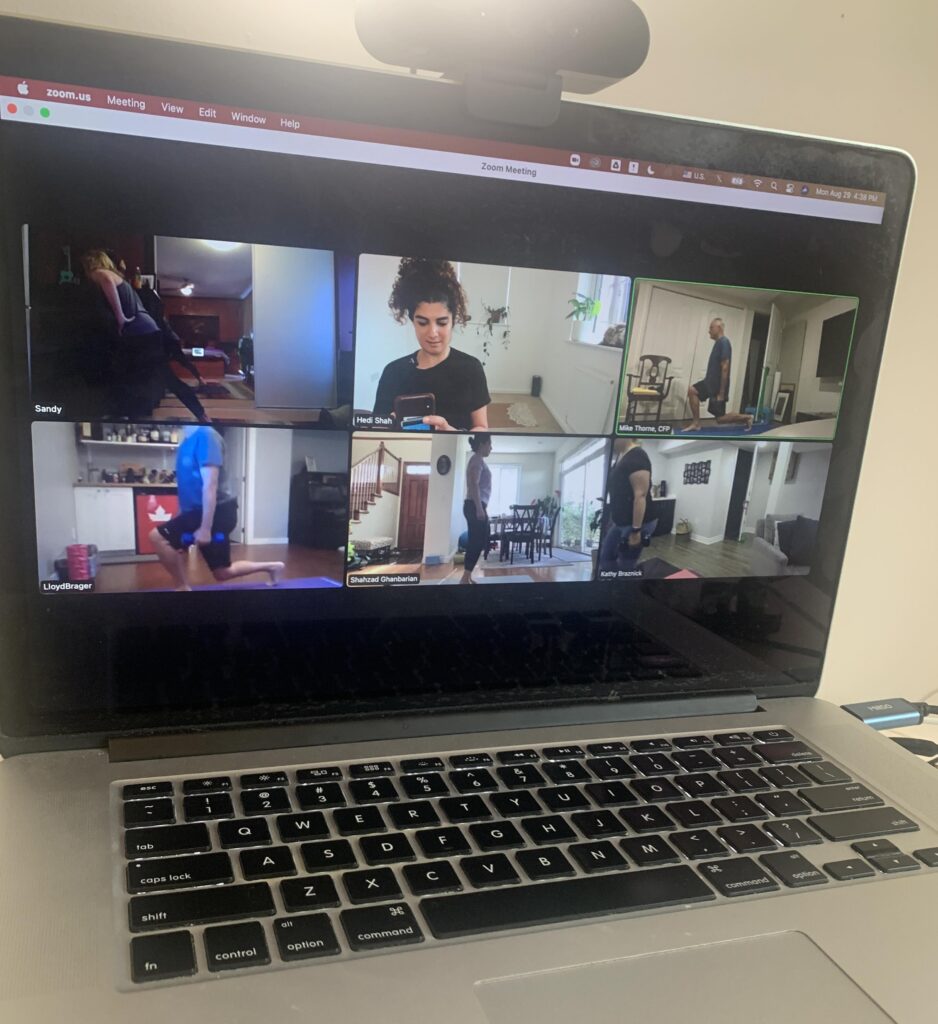
Posture in Motion is a small-group experience with up to 8 people.
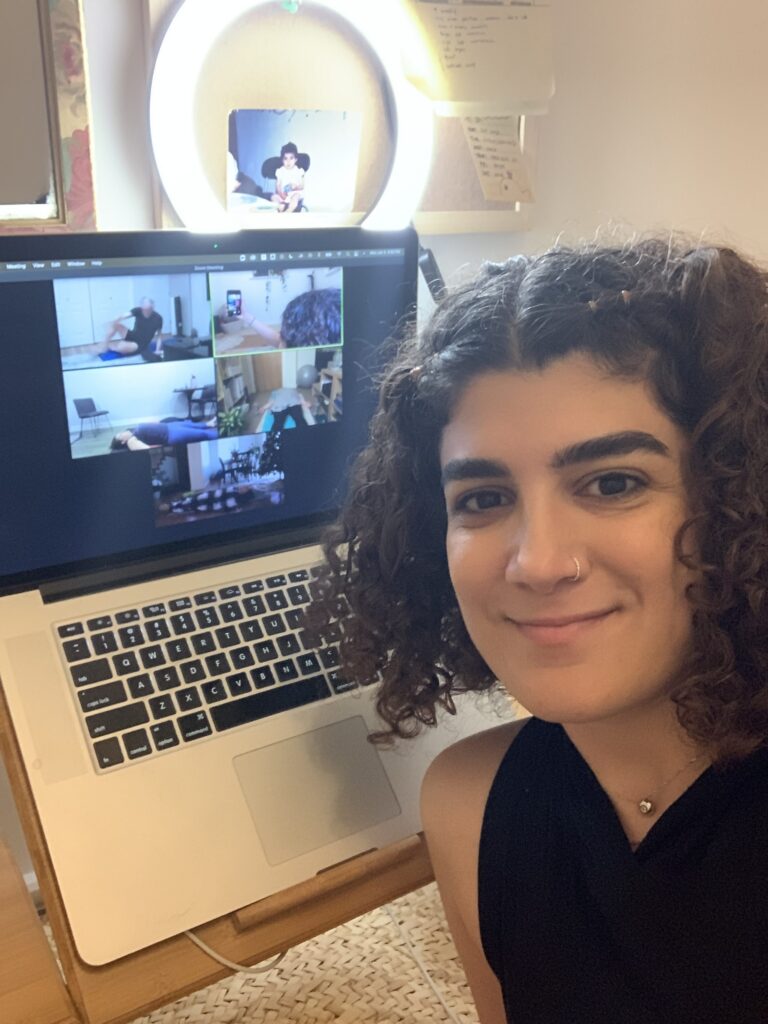
You’ll be guided through live teaching sessions, live movement sessions, simple practices, and reflective prompts that help you integrate the work into your everyday life.
Each session will include a mix of teaching, movement, breathwork, somatic exploration, and space to notice what is changing.
This is designed to be practical, grounded, and doable.
You won’t be asked to overhaul your life. You’ll be asked to show up, practice, listen, and build a new relationship with your body one layer at a time.
Posture in Motion is designed for people experiencing persistent tension, discomfort, stiffness, and postural patterns who are ready to explore a more integrated approach.
It is not a substitute for medical care.
If you have an acute injury, an undiagnosed condition, or you are currently under medical treatment, please speak with your healthcare provider before joining.
A small-group program combining teaching, guided body-based exploration, self-assessment, and Q&A so you understand your own posture patterns and work with them in a practical way.
Module 1: Psychosomatics of posture and postural conditioning
We connect the physical patterns to stress, protection, emotion, identity, culture, and the environments your body has had to adapt to.
We’ll explore:
How posture can reflect pressure, shame, confidence, safety, protection, and survival.
How family, culture, work, identity, and past experiences can shape the way you hold yourself.
Why some patterns come back even when you “know better”.
How to notice when your body is bracing, shrinking, performing, or holding back.
How to work with these patterns without blaming yourself or forcing your body to change.
Teaching class: Understanding posture as adaptation and conditioning.
Practice class: Guided reflection and body-based exploration to notice where conditioning shows up in your posture.
Module 2: Breathing basics and neck
We start with the breath and neck because they often reveal the first signs of tension, stress, and compensation.
In this module, we’ll explore:
How your breathing pattern affects your posture.
Why the neck often overworks when the breath is restricted.
How jaw, throat, shoulders, and upper chest tension show up.
How to create more space for breath without forcing “deep breathing”.
Simple practices to soften neck tension and reconnect breath with support.
Teaching class: Understanding the relationship between breath, neck tension, and posture.
Practice class: Guided breath and neck explorations so you can feel the difference in your own body.
Module 3: Rib cage and core restoration
The rib cage and core are central to how your body organizes itself.
This module focuses on restoring movement, breath, and support through the middle of the body.
We’ll explore:
How the rib cage affects breathing, posture, and spinal movement.
Why “core strength” is not the same as bracing.
How gripping through the belly or ribs can limit ease and mobility.
How to find deep support without clenching.
How breath can help restore connection through the centre of the body.
Teaching class: Understanding the rib cage, breath, and core as a support system.
Practice class: Guided practices to explore rib movement, core support, and breath-led stability.
Module 4: Pelvis and stability
The pelvis is one of the main places where posture, movement, and stability meet.
In this module, we’ll look at how the pelvis affects the spine, hips, lower back, and the way you carry yourself.
We’ll explore:
How pelvic position influences posture and movement.
Why lower back tension often connects to pelvic habits.
How to notice gripping, tucking, arching, or collapsing.
How to build stability without rigidity.
How the pelvis supports more ease through the whole body.
Teaching class: Understanding the pelvis as a foundation for posture and stability.
Practice class: Guided pelvic, hip, and lower back practices so you can find support without force.
Module 5: Sense of ground
We finish by bringing the work into your relationship with the ground.
Your feet, legs, and sense of support shape how safe, stable, and present you feel in your body.
We’ll explore:
How your feet connect to posture and balance.
How grounding affects the nervous system.
Why feeling supported changes how the rest of the body organizes.
How to stand and move with more ease.
How to bring this work into daily life.
Teaching class: Understanding grounding, support, and whole-body integration.
Practice class: Guided practices to explore feet, balance, walking, standing, and embodied stability.
A clear, practical class where you’ll learn the key concepts behind each area of the body and why it matters for posture, breath, and movement.
2. Practice class
A guided experience session where you’ll explore the concepts in your own body through movement, breath, and somatic awareness.
Ongoing support
Throughout the program, there will be space for questions, reflection, and feedback.
Because this is a small group, you’ll have room to share what you’re noticing and receive guidance without the pressure or overwhelm of a large class.
The goal is for you to leave with a clearer understanding of your own body, simple practices you can return to, and a more grounded way to work with your posture.
Each module includes teaching and practice. Depending on the module, some weeks include both in one session, and other weeks they happen separately. The Q&A typically happens inside the practice week, so you can ask questions after you’ve actually tried the work in your own body.
There are also two integration weeks in the middle of the program, so you have time to practice, notice what’s changing, and let the work land before moving into the second half.
Week 1:
Psychosomatics of posture and posture conditioning, teaching + self reflection
Week 2:
Psychosomatics of posture and posture conditioning, practice + Q&A
Week 3: Integration week + Self assessment – no class
Week 4:
Breathing basics and neck, teaching
Week 5:
Breathing basics and neck, practice + Q&A
Week 6:
Integration week – no class
Week 7: Rib cage and core restoration, teaching
Week 8: Rib cage and core restoration, practice + Q&A
Week 9: Integration week – no class
Week 10: Pelvis and stability, teaching
Week 11: Pelvis and stability, practice + Q&A
Week 12: Integration week – no class
Week 13: Sense of ground, connecting the dots, closure, Q&A
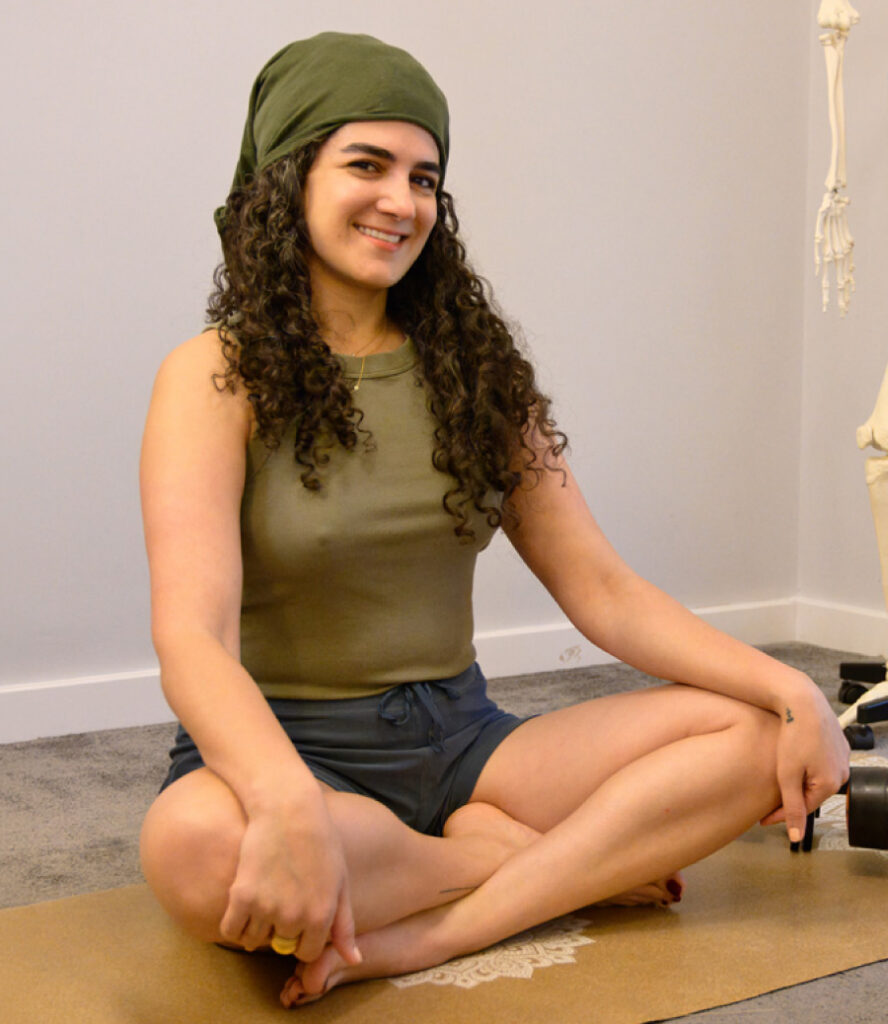
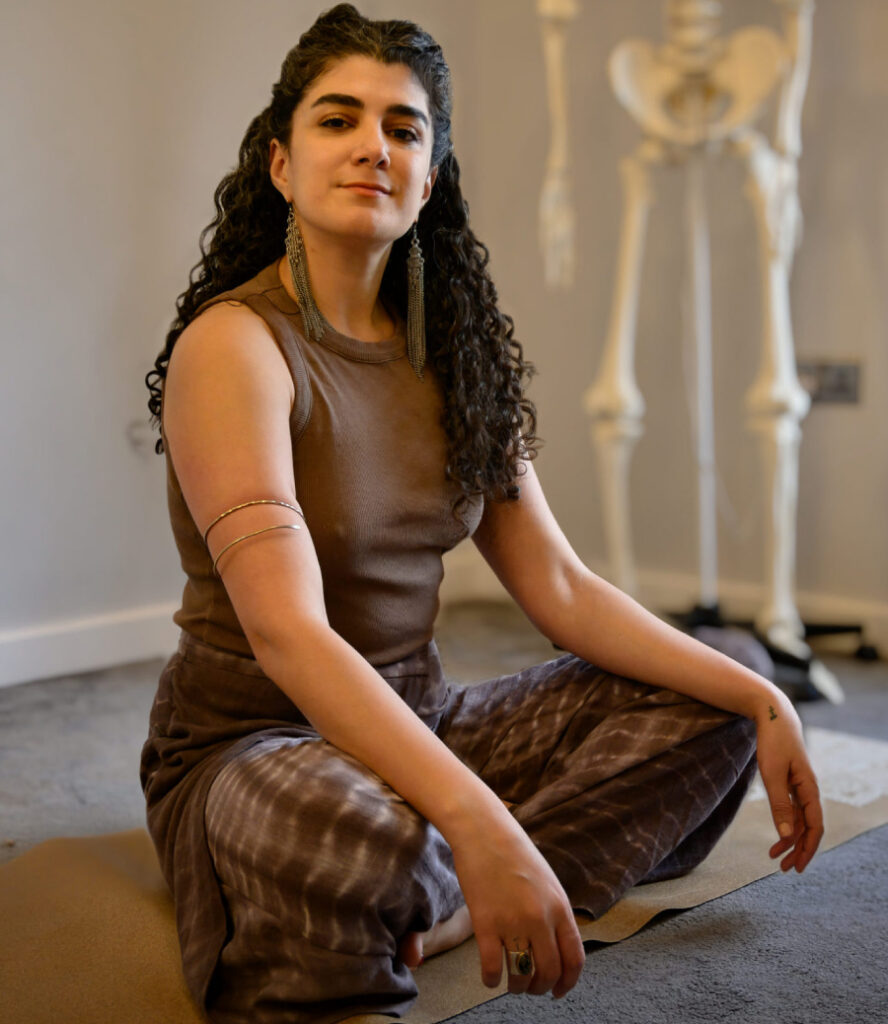
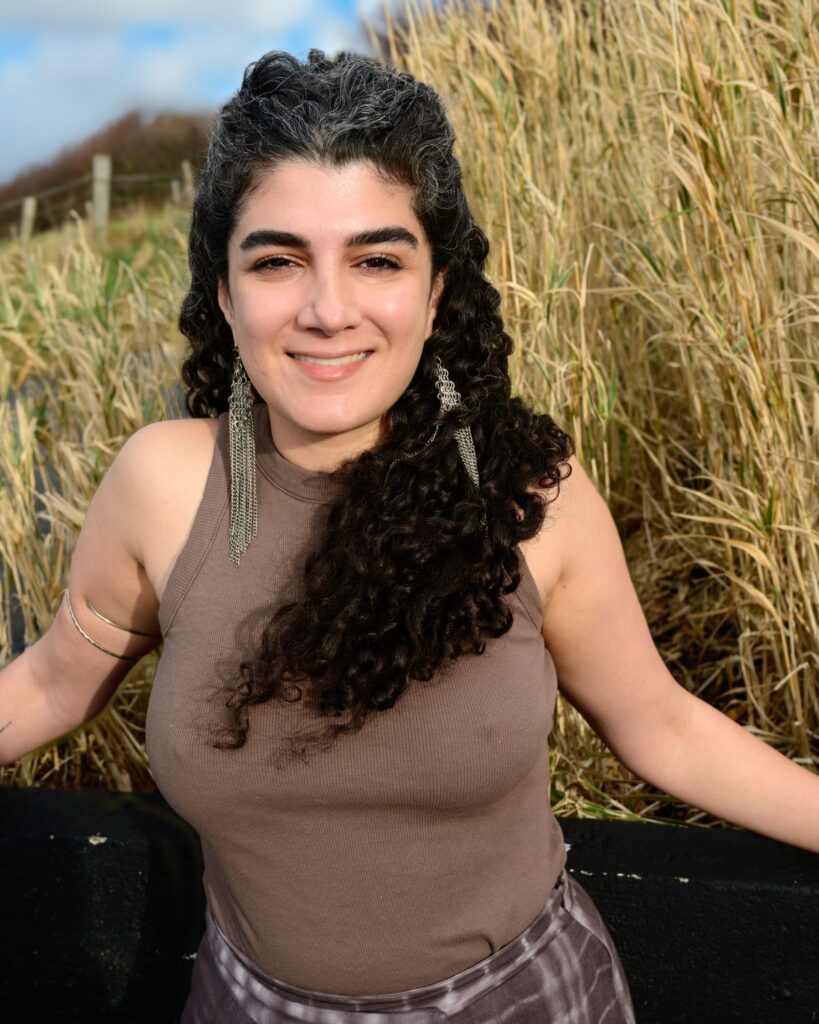
Here to help those who’ve tried everything finally move beyond what keeps them stuck and in pain by combining mindfulness and bodywork that addresses the root cause, not just the symptoms.
My journey with injury, concussion, and chronic health challenges, along with navigating life as a woman, immigrant, and entrepreneur, led me to seek options beyond conventional health and wellness spaces.
They failed me my entire life.
But I found something different that helped me. And now for over 10 years, I’ve been helping individuals and teams do the same.
My lived experience includes:
Recovery after a car accident that resulted in an undiagnosed concussion and total reality breakdown
Full healing after 15 years of struggle with cystic acne, PCOS, and emotional eating disorder
Completely regaining mobility and flexibility after feeling stiff for as long as I could remember
My approach integrates:
Nervous system regulation
Breathwork and breathing mechanics
Posture-focused strength training
Embodiment practices
Most wellness programs only manage symptoms. That’s not enough.
We need to address the root cause of what keeps you stuck and in pain by bringing the body back into the conversation.
An intentionally small-group posture and somatic practice for people who want to feel more at home in their body, move with more ease, and start shifting the patterns that keep them tense, braced, or in pain.
Price: £550 or £190/4-week
Group size: Max 8 people
Start date: Monday, September 28th. Sessions run Mondays at 6pm UK time. If that doesn’t work, please share your preferred times in the questionnaire.
Because this work is personal, body-based, and reflective, I want to make sure the group feels supportive, grounded, and well-matched. These questions help me understand what you’re looking for, whether this is the right moment for you, and whether the container can genuinely support where you are right now.